Goutte de Rosée / The Salon

A closer look.
A different story.

Begin with three manual, source-led tours through twelve documented images. Keep a detail in your selections, compare exact references, or follow a reading path at your own pace. The legacy guided studies remain clearly labelled below.

Choose a guided tour
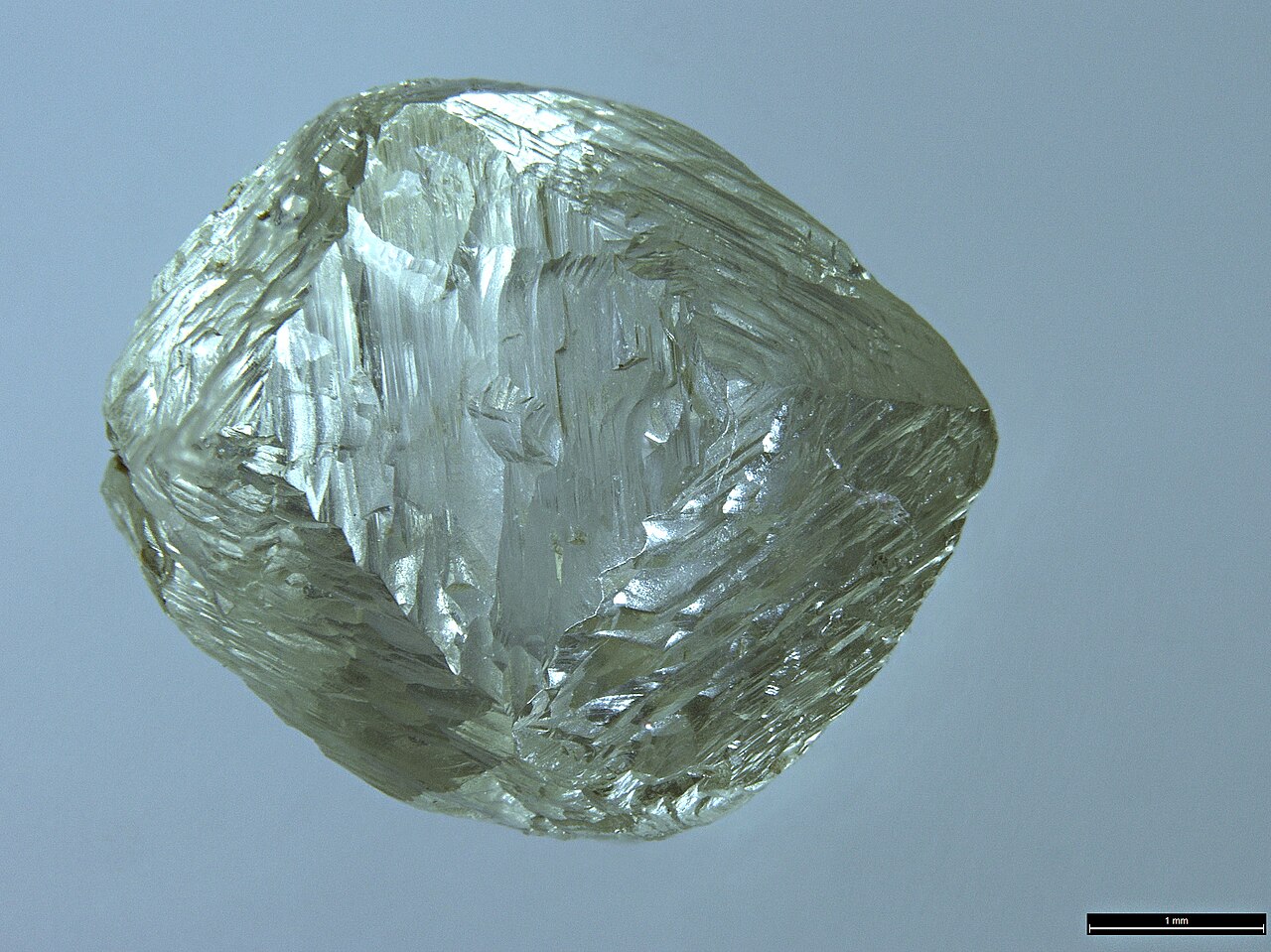
Pale translucent rough diamond with etched triangular faces; a 1 mm scale bar is at the lower right.

Uncut diamond crystal, identified by its photographer as 0.7 ct. Image by Tõnu Pani.

Tõnu Pani, “Diamond crystal, 0,7 ct.jpg”, Wikimedia Commons, CC BY 4.0.

Context and image limits

A natural rough crystal, not a faceted diamond. Carat weight is the uploader’s identification; no origin or grading report is supplied.

Resized display copy; full photograph retained.
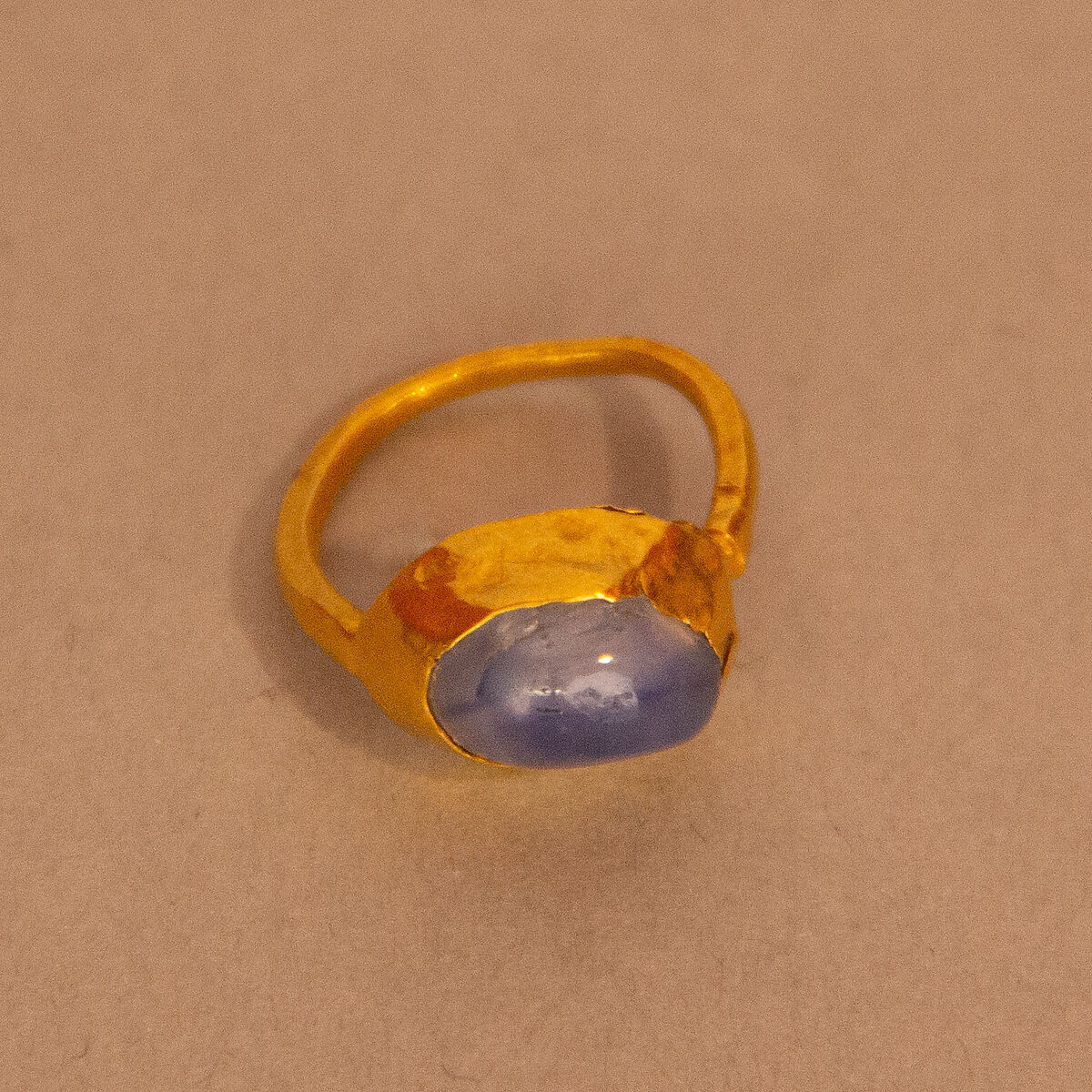
A slender gold ring holding a rounded pale blue-violet sapphire in a plain gold setting.

Gold-sheet and sapphire ring, 11th–13th century, found in Iran, probably Gurgan. The Met, 52.32.4.

The Metropolitan Museum of Art, Rogers Fund, 1952; 52.32.4. Public domain / CC0.

Context and image limits

The findspot is not the sapphire’s geological origin. “Probably Gurgan” remains an uncertain attribution.

Resized display copy; full photograph retained.

Twelve images / Three manual tours

A closer look, with its source.

Move one stop at a time. These are different objects, not before-and-after records. Their photographs do not share physical scale or lighting, and cannot establish a quality grade.

Pale translucent rough diamond with etched triangular faces; a 1 mm scale bar is at the lower right.01

Uncut diamond crystal, identified by its photographer as 0.7 ct. Image by Tõnu Pani.

Tõnu Pani, “Diamond crystal, 0,7 ct.jpg”, Wikimedia Commons, CC BY 4.0.

Context and image limits

A natural rough crystal, not a faceted diamond. Carat weight is the uploader’s identification; no origin or grading report is supplied.

Source rendition shown at its original proportions.

Resized display copy; full photograph retained.

Source-linked photographs / 4 stops

Crystal & craft

Look at a rough diamond, a floral brooch, an emerald in quartz and a Paris ring. Four separate objects connect natural form with human design.

Begin the tour
An elongated red ruby crystal with rough striated sides on a pale background.02

Flatbed scan of a crystal identified by the source as ruby, about 2 cm long. Adrian Pingstone, 2003. Natural-versus-synthetic origin is not established.

Adrian Pingstone (Arpingstone), “Ruby cristal.jpg”, via Wikimedia Commons. Public domain.

Context and image limits

This is a flatbed scan, not a camera photograph. Locality, treatment status, and natural-versus-synthetic origin are not established by this page.

Source rendition shown at its original proportions.

Resized display copy; full photograph retained.

Source-linked photographs / 4 stops

Colour & context

Read ruby and sapphire images alongside their records. A scan, a hand specimen and two rings ask different questions of the viewer.

Begin the tour
A rounded translucent gray opal cabochon shows patches of green, blue, yellow, and orange against black.03

Precious opal cabochon, Museums Victoria specimen M 8723. Photo by Rodney Start.

Photographer: Rodney Start. Museums Victoria, M 8723. CC BY 4.0.

Context and image limits

Downloaded medium rendition (1500 × 1125) visually inspected. Visible surface lines and pits are not a condition report or a gem-quality grade.

Source rendition shown at its original proportions.

Resized display copy; full photograph retained.

Source-linked photographs / 4 stops

Surface & story

Move between two opal views and two pearl necklaces. Notice how magnification, photographic method and mixed materials change what an image can tell you.

Begin the tour

Three paths / Your own pace

A detail leads somewhere.

These reading paths work without a guided viewer or a saved account. Follow the links in order, or stop with a question of your own.

From crystal to craft.

Follow two different diamond references, then ask what changed through human workmanship.

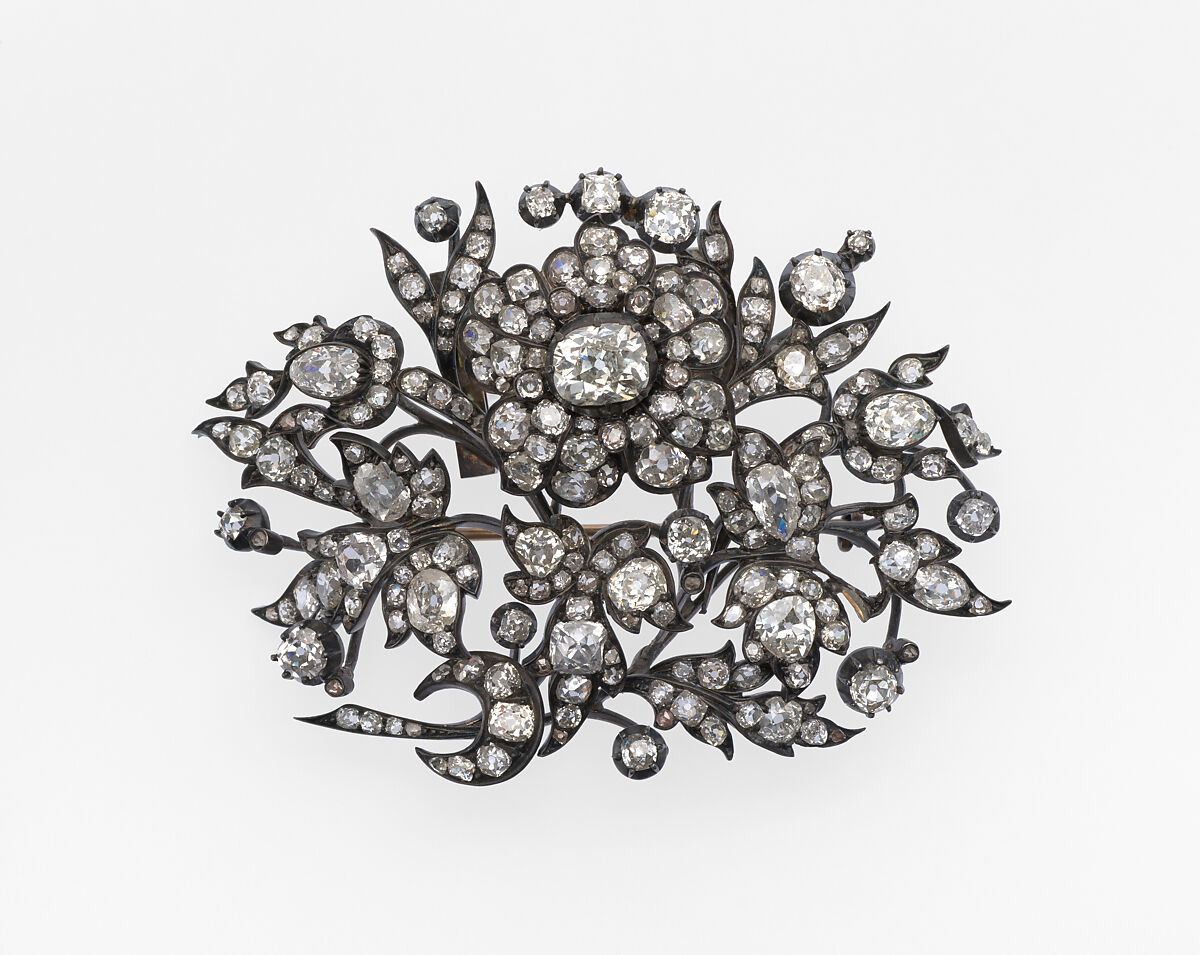
A branching floral brooch covered with clear diamonds, with a large central flower and smaller diamond buds.

Diamond-set brooch, part of a hair ornament, probably French, mid-19th century. Diamonds, gold, and silver; The Met, 45.30.1.

The Metropolitan Museum of Art, Gift of Ellen Goin Rionda, 1945; 45.30.1. Public domain / CC0.

Context and image limits

Historical jewellery context; this photograph does not establish a loose-stone identification or a modern cut grade.

Resized display copy; full photograph retained.
  1. Start with the rough crystal. Notice its natural surfaces. ↗
  2. Look at the floral brooch. These are different diamonds, not a before-and-after pair. ↗
  3. Read about crystal structure, cutting, treatment and care. ↗

Colour needs context.

A colour impression opens a question; a source record helps place it.

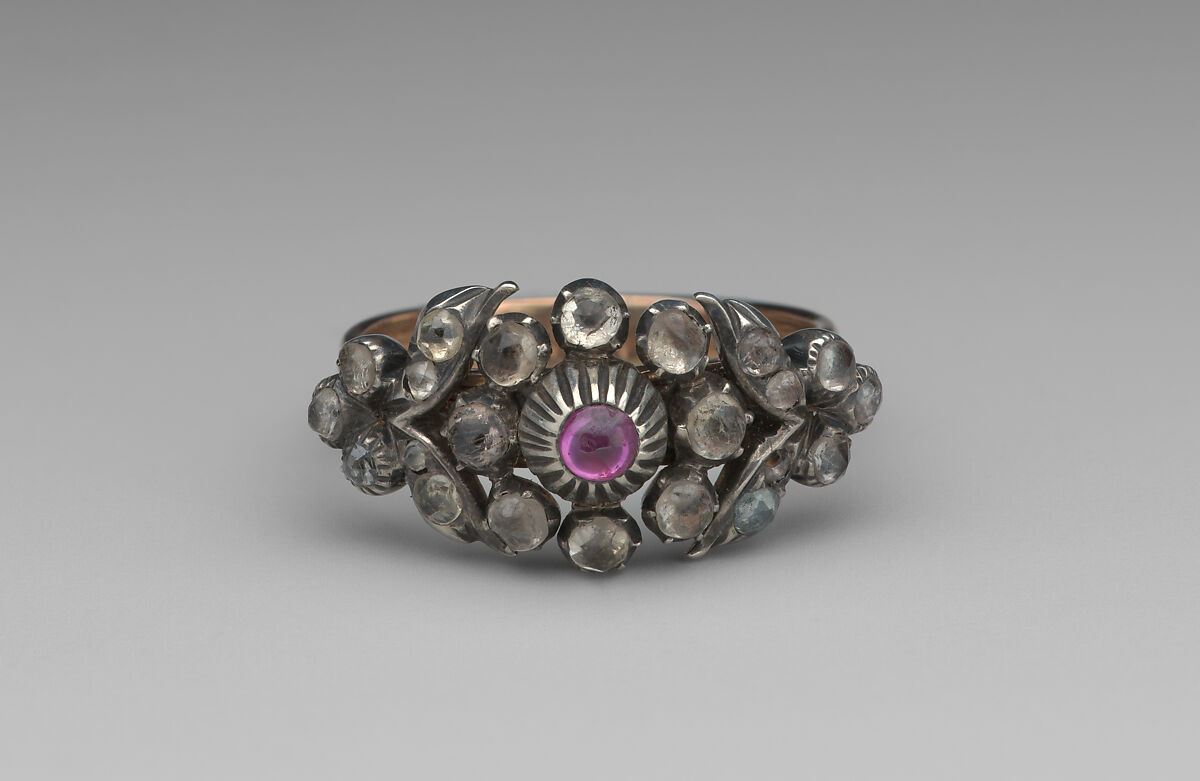
A pinkish-purple central ruby surrounded by small clear diamonds in a dark floral ring setting.

French ring, 19th century, in gold and silver with ruby and diamonds. The Met, 41.84.8.

The Metropolitan Museum of Art, Gift of Susan Dwight Bliss, 1941; 41.84.8. Public domain / CC0.

Context and image limits

Ruby identification follows the museum record. Locality, treatment and quality cannot be established from this photograph.

Resized display copy; full photograph retained.
  1. Look at the ruby scan and the historical ring. Keep their different evidence limits in view. ↗
  2. Compare the source-identified sapphire specimen and ring. ↗
  3. Explore why ruby and sapphire are the same mineral species. ↗

Beyond the usual crystal.

The word gem includes more than one kind of material.

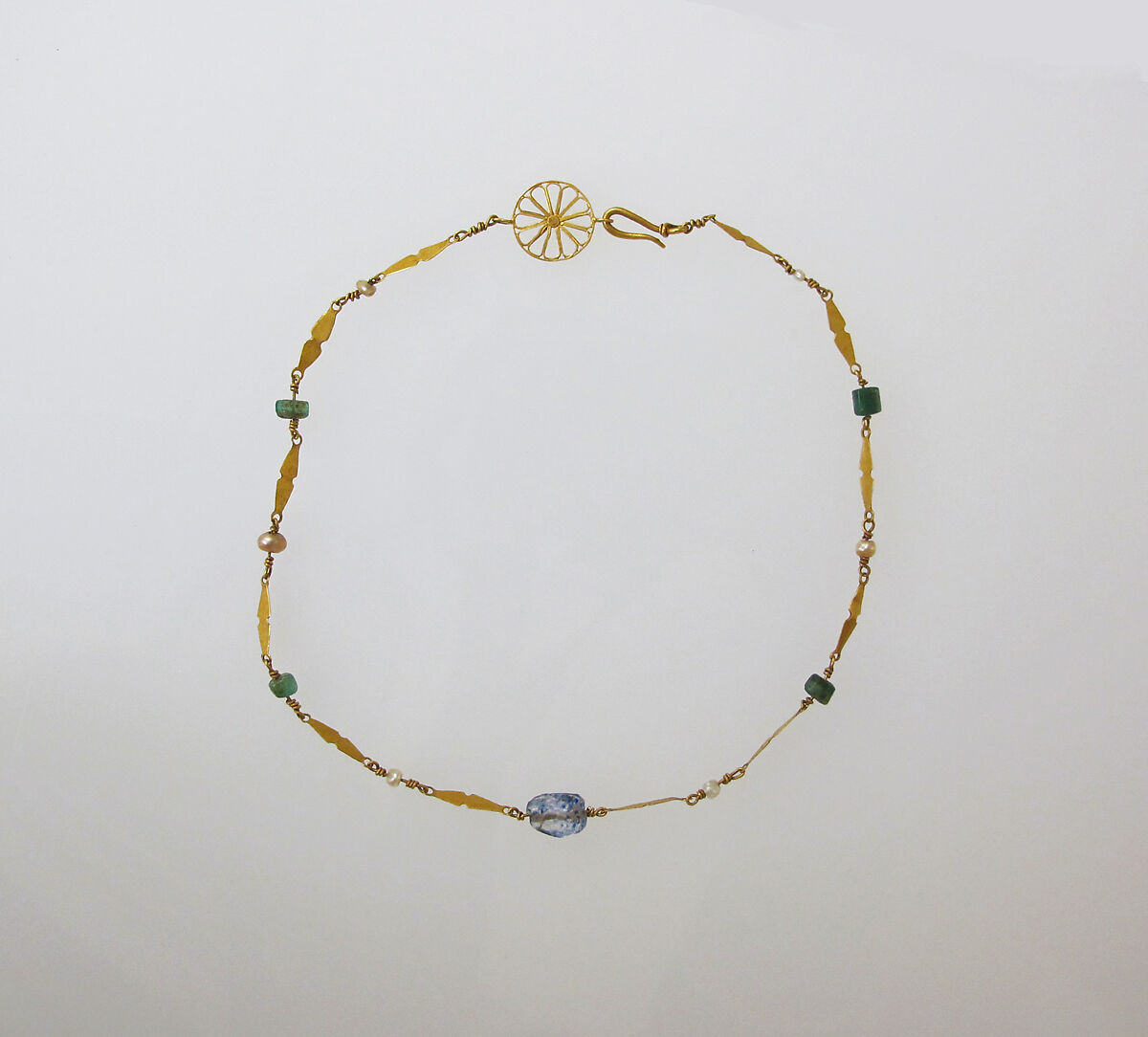
A delicate gold necklace alternates small pale pearls and green beads, with a larger blue bead near the bottom.

Roman necklace with pearls and beryl beads, 1st–2nd century CE, in gold, pearl, and beryl. The Met, 25.192.1.

The Metropolitan Museum of Art, Gift of George D. Pratt, 1925; 25.192.1. Public domain / CC0.

Context and image limits

This is a mixed-material jewel. The museum identifies the green/blue beads as beryl, without establishing a more specific variety.

Resized display copy; full photograph retained.
  1. Notice the opal cabochon and microscope detail without treating them as a colour-grade test. ↗
  2. Look at a pearl archive image and a Roman mixed-material necklace. ↗
  3. Follow the different formation and human histories of opal and pearl. ↗
03 legacy studies / Images unavailableYour pace. No autoplay.Save only what interests you.

The complete itineraries

Every stop.
At your own pace.

Prefer a reading list? Open any itinerary below. The links and descriptions remain available without the guided viewer.

Source-linked / 01 / 4 stopsCrystal & craft

Look at a rough diamond, a floral brooch, an emerald in quartz and a Paris ring. Four separate objects connect natural form with human design.

  1. A surface before cutting.

    Follow the crystal’s irregular outline and the small triangular marks on its faces. The photograph includes a 1 mm scale bar. Its photographer identifies the crystal as 0.7 ct; the image does not supply an origin or grading report.

    Which surface detail would you describe, without turning it into a quality grade?

    Diamond · rough crystal (0.7 ct) ↗
  2. A flower made of settings.

    Move from the central flower to the smaller buds and open spaces of this diamond-set brooch. The Met identifies it as part of a hair ornament, probably French and mid-19th century. This jewel and the rough crystal are different objects, not a before-and-after pair.

    How do the setting and the spaces between branches organize the whole jewel?

    Diamond · Met floral brooch ↗
  3. A crystal still in company.

    The green prism stands against a pale quartz matrix. Keep that relationship in view rather than treating the photograph as a loose polished gem. The photographer supplies the Carnaíba district, Bahia, Brazil locality; the photograph is not an independent origin certificate.

    Where can you distinguish the green crystal from its surrounding matrix?

    Emerald · crystal in quartz ↗
  4. A centre within a pattern.

    The elongated green centre sits inside diamond-set scrollwork and a pointed oval outline. The Met dates the ring to Paris, 1838–47. This is a different emerald from the specimen in the previous stop; Paris describes the jewel’s manufacture, not the stone’s mine.

    What draws your attention first: the green centre, the scrollwork or the outer outline?

    Emerald · Met Paris ring ↗
Open the guided tour ↗ Compare these exact references ↗
Source-linked / 02 / 4 stopsColour & context

Read ruby and sapphire images alongside their records. A scan, a hand specimen and two rings ask different questions of the viewer.

  1. Start with the method.

    This elongated red crystal was recorded with a flatbed scanner, not a camera. The source identifies it as ruby and about 2 cm long. Its natural-versus-synthetic origin, locality and treatment status are not established.

    What can you describe about its outline and textured sides while leaving its origin open?

    Ruby · crystal flatbed scan ↗
  2. Let the record name it.

    The central stone looks pinkish-purple in this photograph. The Met identifies it as ruby in a 19th-century French gold-and-silver ring with diamonds. Use that documented identity without changing the pictured colour or inferring locality, treatment or quality.

    How do the surrounding stones and dark floral setting frame the centre?

    Ruby · Met French ring ↗
  3. A hand specimen has a record.

    Notice the uneven dark-blue and gray surfaces. GeoDIL identifies the specimen with the University of North Dakota Mineralogy Collection and gives its locality as near Kashmir, India. That source wording should stay attached to the image; it is not an independent origin certification.

    Which observation comes from looking, and which fact comes from the collection record?

    Sapphire · GeoDIL specimen ↗
  4. A findspot is one kind of place.

    A rounded pale blue-violet sapphire sits in a plain gold-sheet setting. The Met dates this ring to the 11th–13th century and records it as found in Iran, probably Gurgan. A jewel’s findspot does not establish where its sapphire formed.

    What does the simple setting let you notice, and what would still need other evidence?

    Sapphire · Met medieval ring ↗
Open the guided tour ↗ Compare these exact references ↗
Source-linked / 03 / 4 stopsSurface & story

Move between two opal views and two pearl necklaces. Notice how magnification, photographic method and mixed materials change what an image can tell you.

  1. Keep the whole surface in view.

    Rodney Start’s photograph of Museums Victoria specimen M 8723 shows coloured patches within a rounded opal cabochon, together with visible lines and pits. It is a single documented view, not a condition report or a gem-quality grade.

    How would you describe the distribution of coloured patches without ranking the stone?

    Opal · Museums Victoria cabochon ↗
  2. A closer view changes the question.

    A blue band crosses brown host material inside a circular microscope view. This is a different opal from the cabochon. The source calls the image highly saturated; use it as a texture detail without inferring a colour grade, treatment, mine or physical scale.

    Which textures become prominent here, and what does the missing scale prevent you from measuring?

    Opal · microscope view ↗
  3. A photograph can withhold colour.

    Follow the looping strands, floral motifs and central pendant of this 19th-century pearl necklace. The Met’s black-and-white collection photograph supports a study of arrangement, but cannot demonstrate pearl bodycolour or orient. The record does not establish natural-versus-cultured origin.

    What can you learn from the necklace’s arrangement without making a claim about pearl colour?

    Pearl · Met necklace, black-and-white ↗
  4. Read a mixed-material jewel.

    The Met identifies gold, pearl and beryl in this Roman necklace of the 1st–2nd century CE. Small pale pearls alternate with coloured beads and gold elements. The green and blue beads are not pearls; retain the record’s beryl identification without assigning each bead a more specific variety.

    How do the different materials create a rhythm around the necklace?

    Pearl · Met Roman necklace ↗
Open the guided tour ↗ Compare these exact references ↗
Legacy archive / 01 / 4 stopsShape & light

Images unavailable. These original notes describe images that are not displayed here. Inspection and enlargement are unavailable; the reference identities and reading links are retained.

  1. Follow the outline.

    Begin with the oval study. Follow its outline, then let your attention settle on a smaller detail within the photograph.

    What do you notice before reading its caption?

    The oval study.
  2. A different geometry.

    Turn to the stepped geometry of the emerald-cut diamond. The cut and the gemstone have different names here: this photograph shows a diamond, not an emerald.

    How does this outline change the way you look at the image?

    A stepped geometry.
  3. See the family of forms.

    Widen your view. This archive photograph brings several diamond outlines into a single study, inviting you to look at their forms together.

    Which outline would you like to explore in more detail?

    The shape study.
  4. Give the observation context.

    Continue into the diamond journal for the chapters on light, the four Cs and the distinction between shape and identity.

    Bring a question from this tour to your reading.

    Diamonds. A conversation with light.
Open legacy reference records (images unavailable)
Legacy archive / 02 / 4 stopsA study in colour

Images unavailable. These original notes describe images that are not displayed here. Inspection and enlargement are unavailable; the reference identities and reading links are retained.

  1. Begin with green.

    Begin with a green colour-study illustration. Look at it as a visual idea—not as a photograph of a specimen or a calibrated colour sample.

    Describe the colour impression without making a gemstone assessment.

    The green study.
  2. Continue into blue.

    Move from green to blue. This illustration offers a colour impression; the sapphire journal opens a separate, source-backed conversation about the stone.

    What question about colour would you like the article to answer?

    The blue study.
  3. Leave room for violet.

    Violet completes the colour sequence. Keep the image as an illustrative reference, a starting point for a visual preference rather than a conclusion about a stone.

    Which of the three colour studies would you save as inspiration?

    The violet study.
  4. Go beyond an impression.

    Read the sapphire chapter for its discussion of colour, observation and the limits of conclusions drawn from appearance alone.

    Continue to the chapter’s colour section, keeping illustration and evidence separate.

    Sapphires. Beyond the idea of blue.
Open legacy reference records (images unavailable)
Legacy archive / 03 / 3 stopsBefore the polish

Images unavailable. These original notes describe images that are not displayed here. Inspection and enlargement are unavailable; the reference identities and reading links are retained.

  1. Start with the crystal.

    Begin with the rough-diamond reference. Follow the crystal’s outline and surface. This is one of three separate photographs—not a before-and-after record of one stone.

    What detail would you record in the observation notebook?

    Before the polish.
  2. Move to the facets.

    Now look at the group of polished diamonds. Let the facets lead your eye across the photograph. These are different stones from the previous reference.

    What has changed in the visual subject, rather than in a single stone?

    Light across facets.
  3. A jewel in context.

    Finish with the jewel in its setting. Look at the whole composition, then use the notebook to keep the detail—or the question—that stays with you.

    How does the setting change the overall impression of the photograph?

    A jewel in context.
Open legacy reference records (images unavailable)

The family connection

Begin with a detail.

Keep the references that catch your eye, prepare a short brief and continue with the adult-managed team at Nautilus Dubai. No orders are taken here.

Prepare an enquiry

The reading room

Find your next detail.

Search runs on this website only. It does not search live stock.

Goutte de Rosée / The Salon

A guided perspective

01 / 04

Link to this stop